Genre: Puzzle

Genre:

Puzzle

Development time: ~9 months

Development time:

4 months

  1. Quarter 2026

March

2025

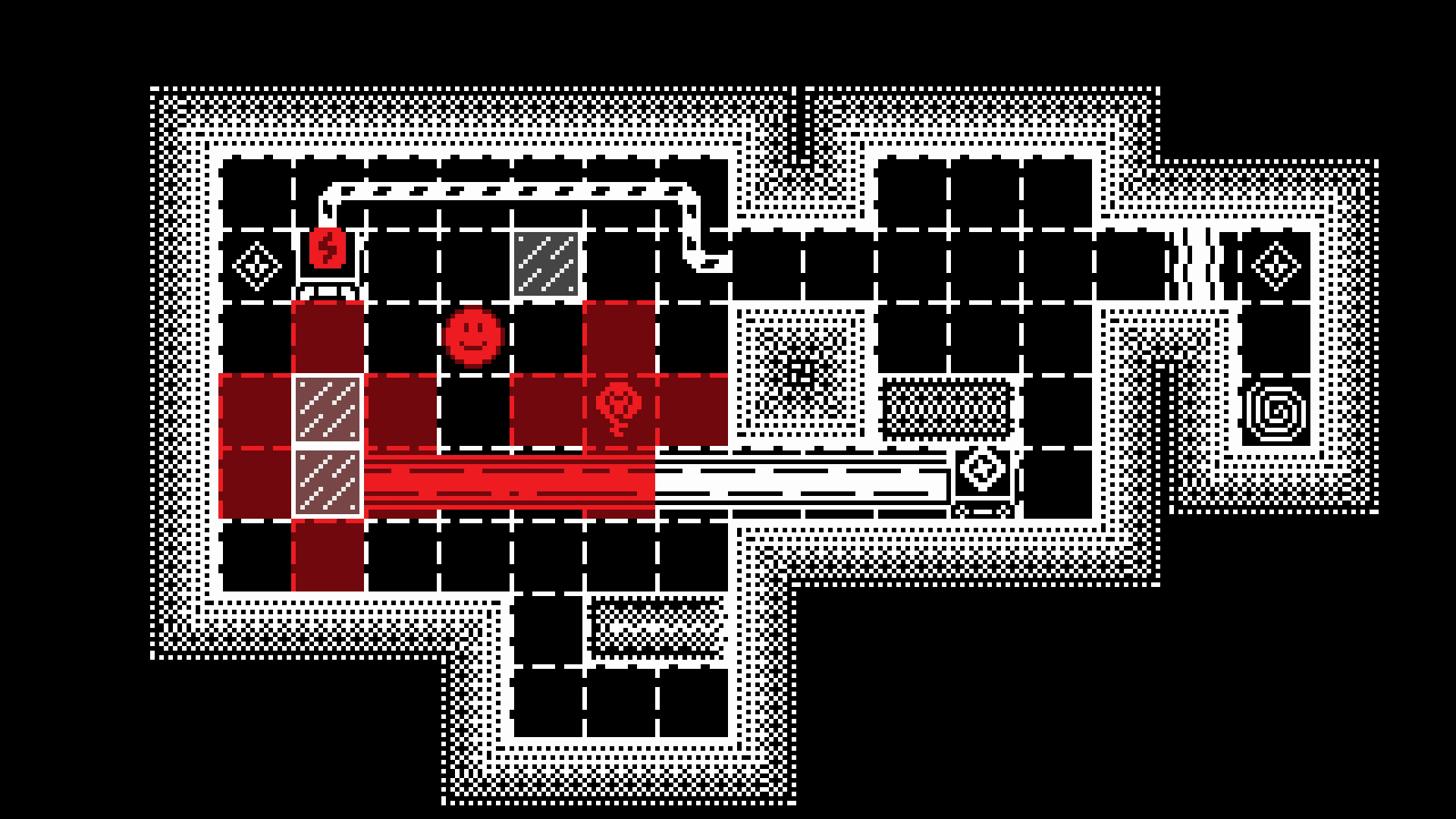
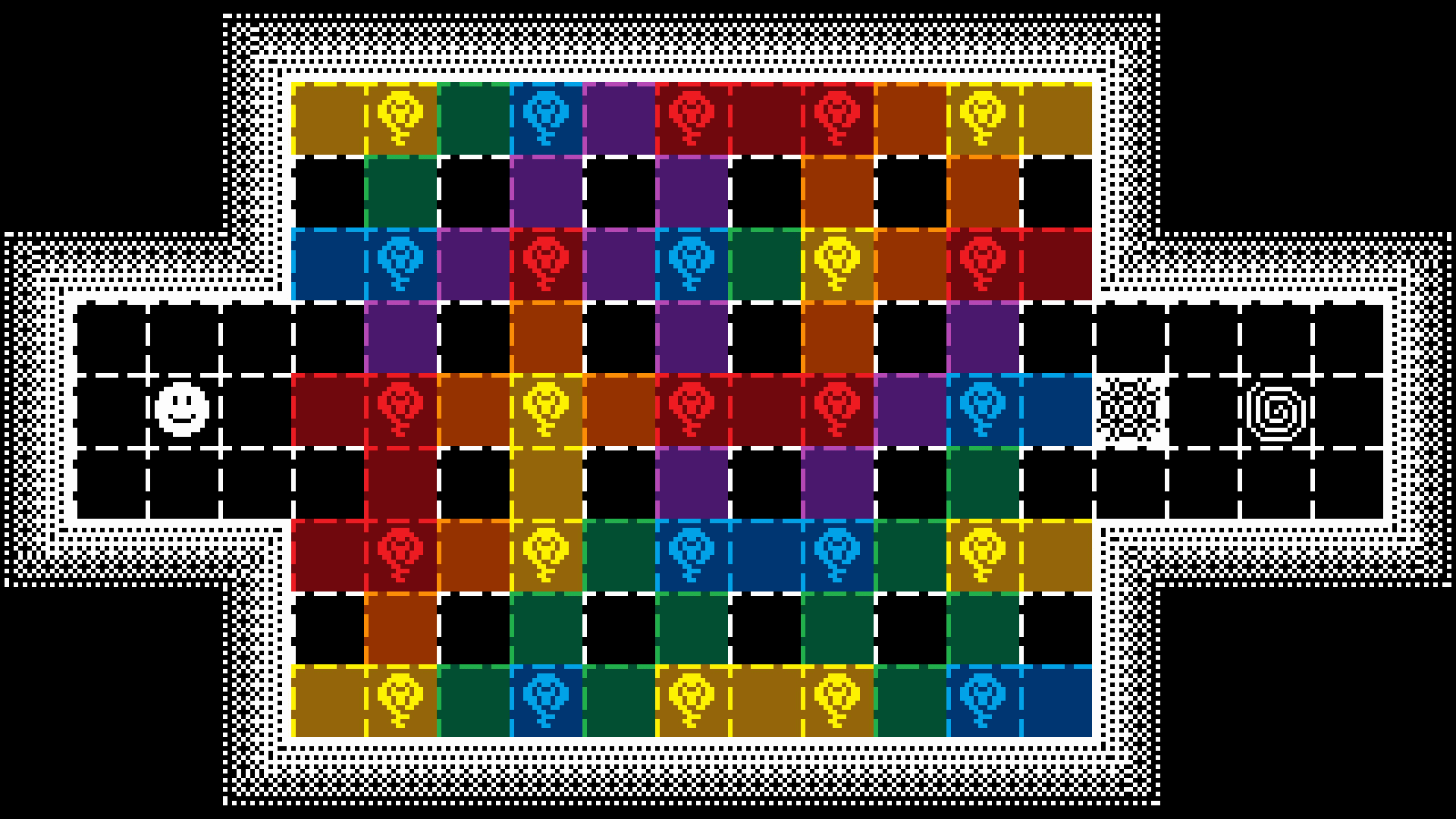
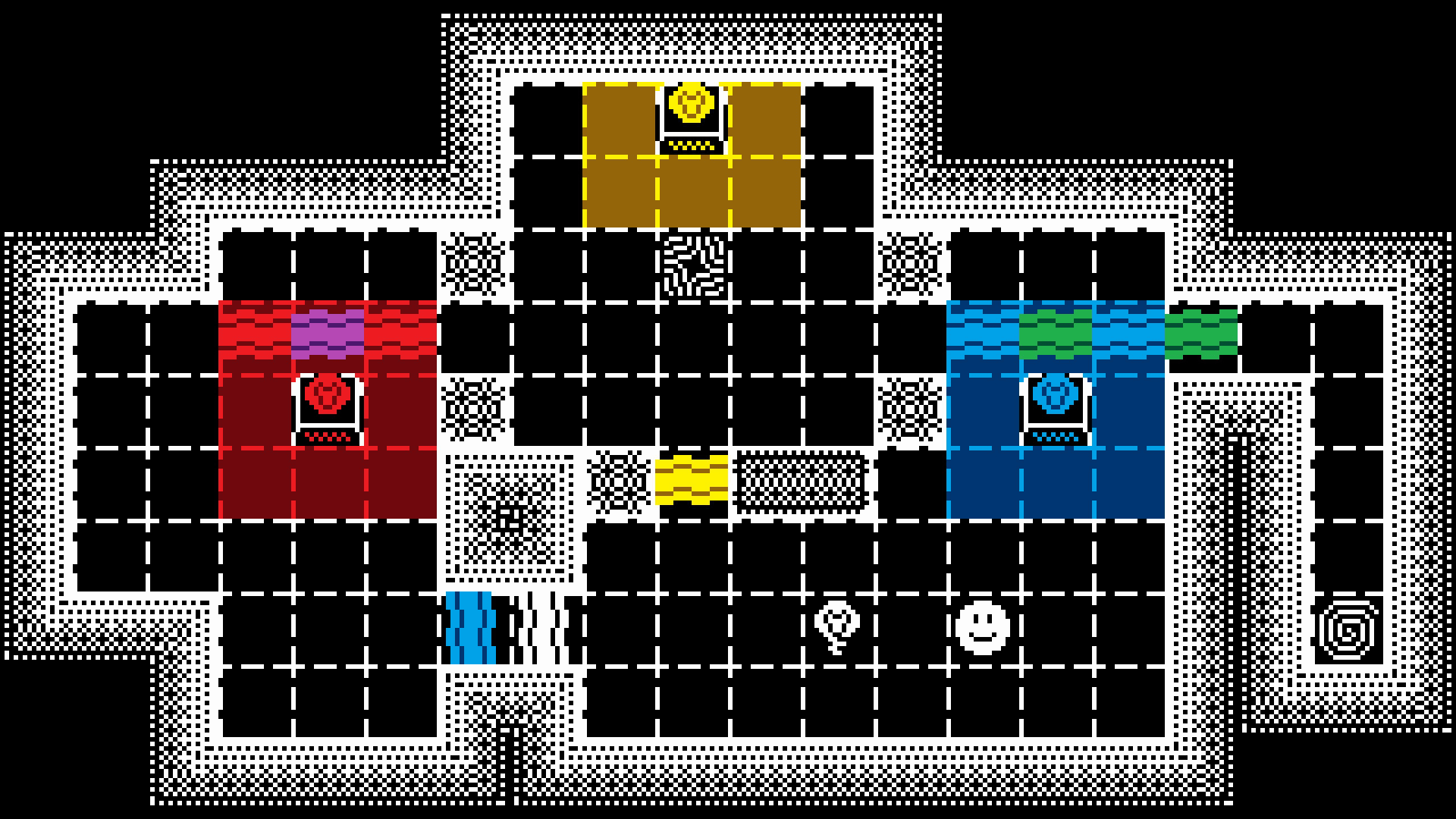
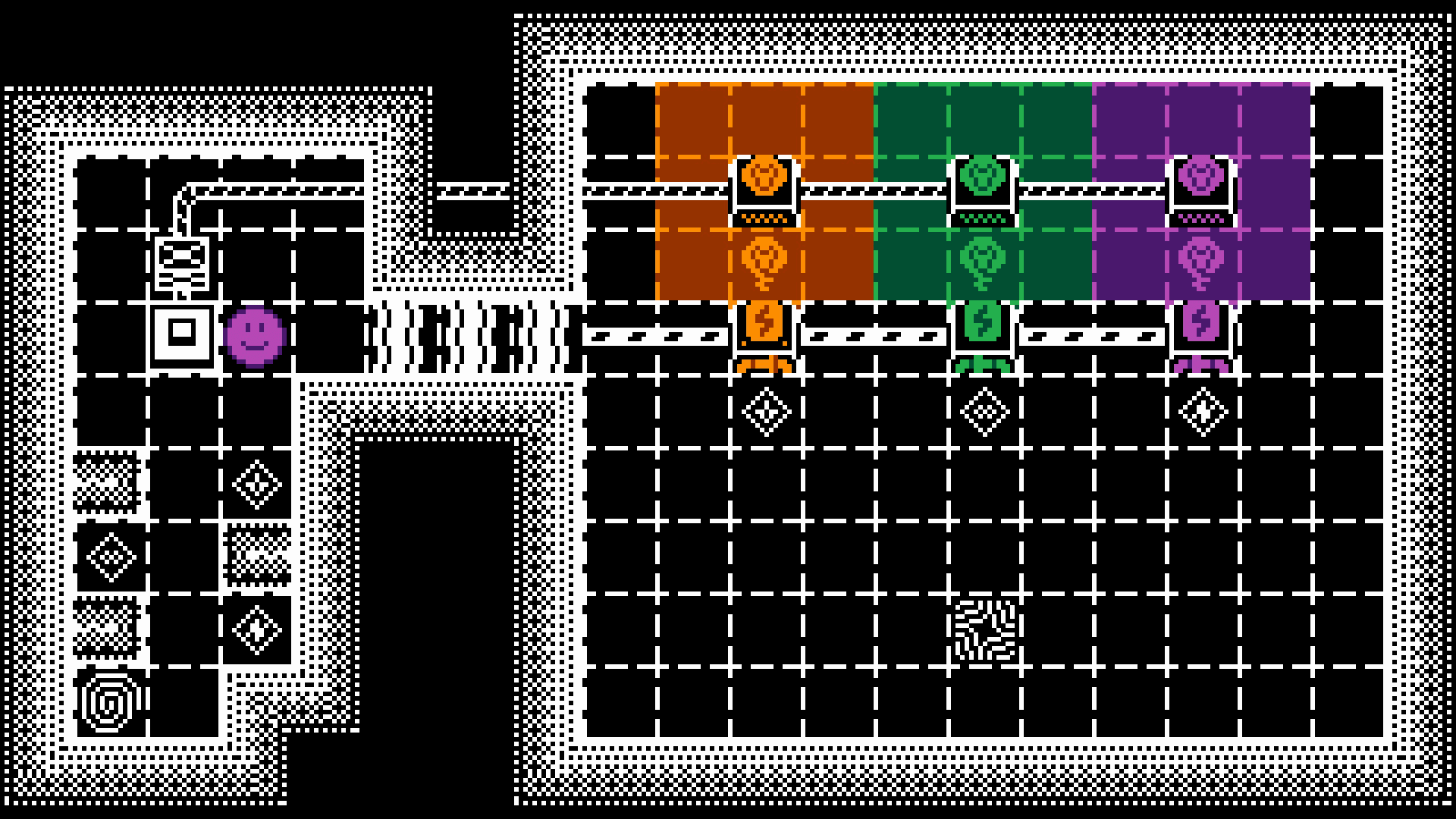
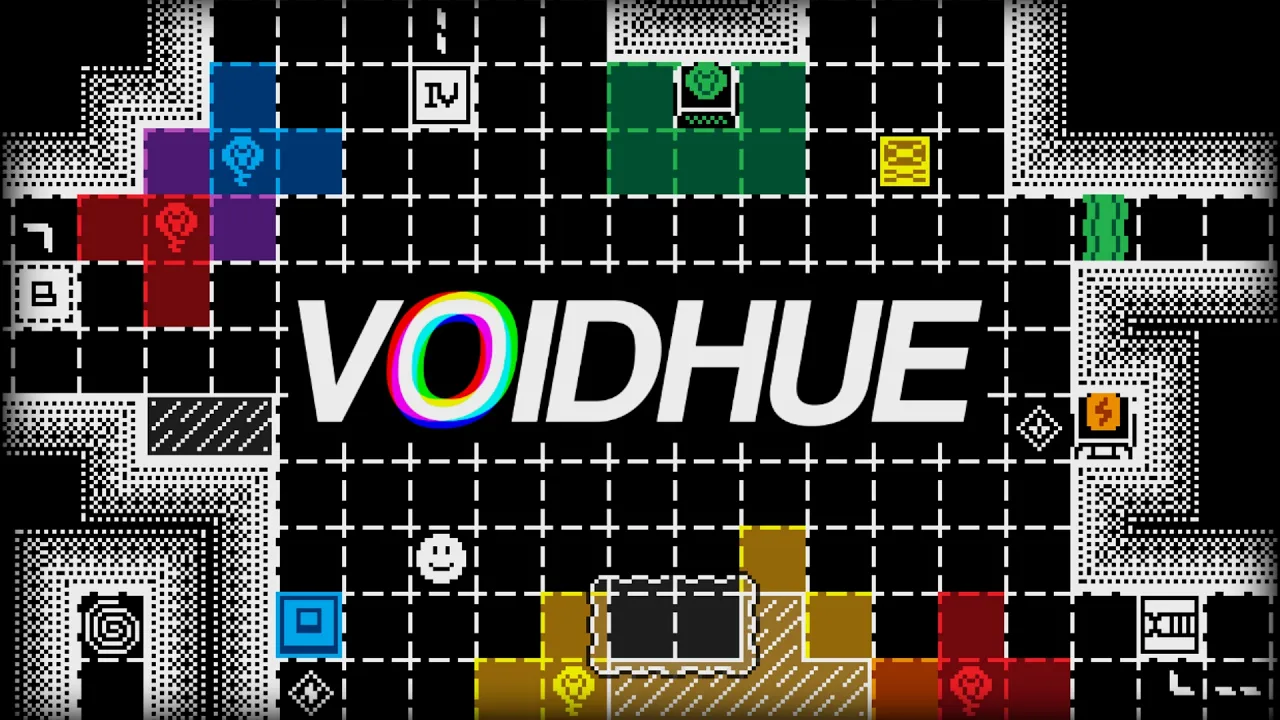
VoidHue is a top-down puzzle game that fuses classic sokoban puzzles with colorful light-based mechanics. Color objects, mix light, and match colors to solve colorful puzzles. Fuse the base colors Red, Blue and Yellow to create mixed colors like Purple, Orange and Green and activate light-reactive puzzle elements. But beware, mixing all three colors results in an unpleasant Static.

VoidHue is a top-down puzzle game that fuses classic sokoban puzzles with colorful light-based mechanics. Color objects, mix light, and match colors to solve colorful puzzles. Fuse the base colors Red, Blue and Yellow to create mixed colors like Purple, Orange and Green and activate light-reactive puzzle elements. But beware, mixing all three colors results in an unpleasant Static.

VoidHue is a top-down puzzle game that fuses classic sokoban puzzles with colorful light-based mechanics. Color objects, mix light, and match colors to solve colorful puzzles. Fuse the base colors Red, Blue and Yellow to create mixed colors like Purple, Orange and Green and activate light-reactive puzzle elements. But beware, mixing all three colors results in an unpleasant Static.

Coloring objects is easy, just push them into the light. Keep in mind, once you color an object, it cannot easily get rid of their color. Certain mechanisms only activate when a specific color is present. Deciding when and where to color something can be the key to solving a puzzle.

Coloring objects is easy, just push them into the light. Keep in mind, once you color an object, it cannot easily get rid of their color. Certain mechanisms only activate when a specific color is present. Deciding when and where to color something can be the key to solving a puzzle.

Coloring objects is easy, just push them into the light. Keep in mind, once you color an object, it cannot easily get rid of their color. Certain mechanisms only activate when a specific color is present. Deciding when and where to color something can be the key to solving a puzzle.

VoidHue contains: 

  • A colorful twist of a classic puzzle genre 

  • 100+ levels with an ever-growing set of mechanics. 

  • Meta Puzzles for thinking outside-the-bulb

  • Colorblind accessibility and a built-in hint system

VoidHue contains: 

  • A colorful twist of a classic puzzle genre 

  • 100+ levels with an ever-growing set of mechanics. 

  • Meta Puzzles for thinking outside-the-bulb

  • Colorblind accessibility and a built-in hint system

VoidHue contains: 

  • A colorful twist of a classic puzzle genre 

  • 100+ levels with an ever-growing set of mechanics. 

  • Meta Puzzles for thinking outside-the-bulb

  • Colorblind accessibility and a built-in hint system

Gallery

Gallery

Gallery

Highlights

Highlights

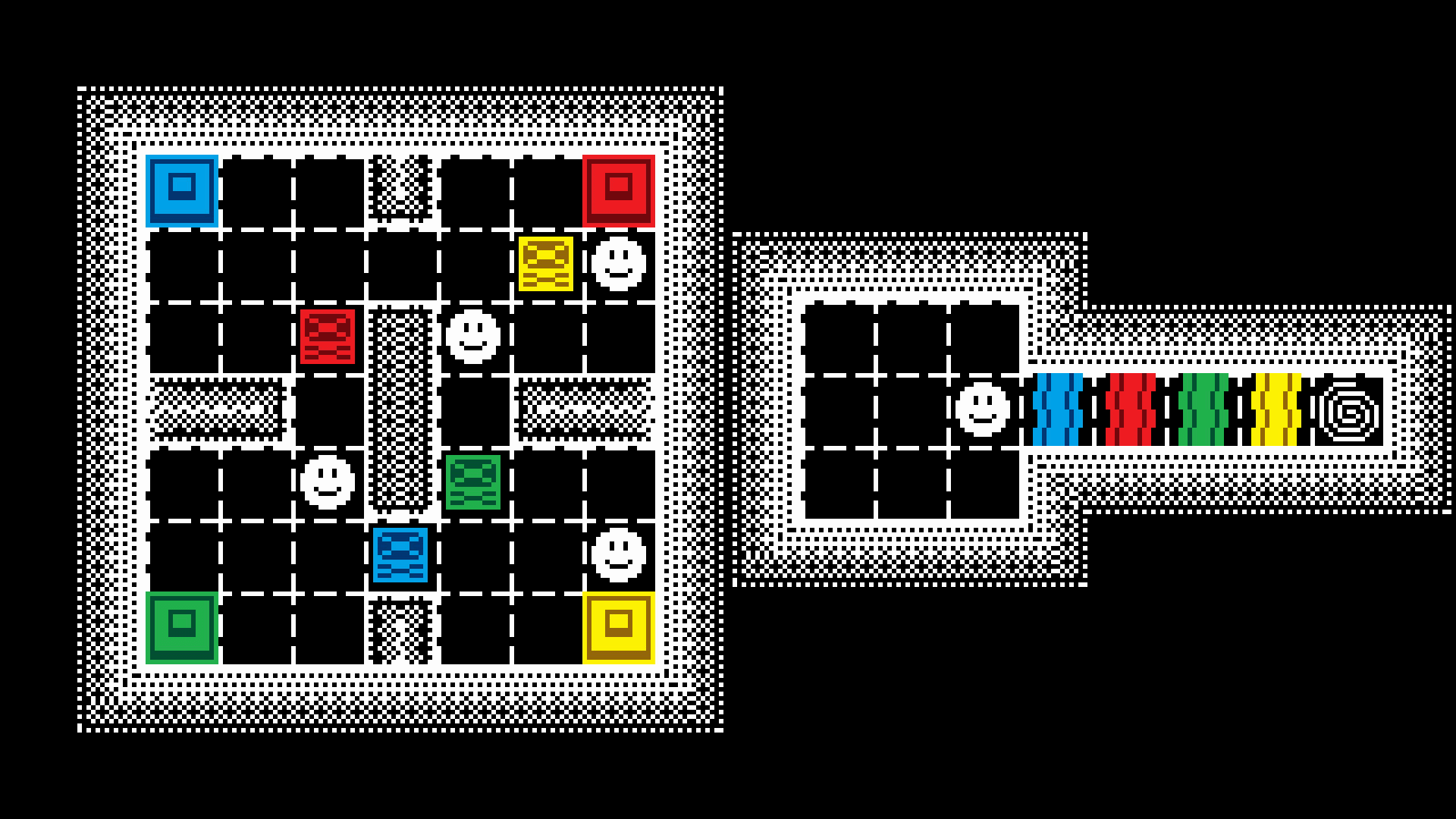
  • Color and light-mixing puzzle mechanics with bulbs, glass, smoke and gates.

  • Color and light-mixing puzzle mechanics

    with bulbs, glass, smoke and gates.

  • Color and light-mixing puzzle mechanics

    with bulbs, glass, smoke and gates.

  • Complex colox mixing system.

  • Complex colox mixing system.

  • Monochromatic artstyle.

  • Monochromatic artstyle.

  • Monochromatic artstyle.

  • Players learn mechanics through experimentation, not through tutorials.

  • Players learn mechanics through experimentation,

    not through tutorials.

  • Players learn mechanics through experimentation,

    not through tutorials.

  • Deep and interconnected light-reactive mechanisms like circuits, capacitors, laser-towers and mirrors.

  • Deep and interconnected light-reactive mechanisms like

    circuits, capacitors, laser-towers and mirrors.

  • Deep and interconnected light-reactive mechanisms

    like circuits, capacitors, laser-towers and mirror

  • Rewind systems that can handle multiple objects simultaneously.

  • Rewind systems that can handle

    multiple objects simultaneously.

  • Rewind systems that can handle

    multiple objects simultaneously.

  • Built-in hint system.

  • Built-in hint system.

  • 100+ levels with meta-puzzles.

  • 100+ levels with meta-puzzles.

  • Editor tools that allow quick and easy level building.

  • Editor tools that allow

    quick and easy level building.

  • Editor tools that allow quick

    and easy level building.

Development Journey

Development Journey

My roles throughout developement: Gameplay Developer, Level Designer, Artist, Publisher

The Idea

The Idea

The idea for VoidHue started while coming up for a idea for a 1-BIT Game Jam. The core ruleset was to create a game with a monochromatic black-and-white artstyle. While writing down multiple idea, one idea couldn't leave my mind: A 2D puzzle platformer where the player lives a monochromatic world and would need to interact with Red, Blue and Yellow portals to swap places. The player could color themself and portals around them to re-link them and solve various puzzles. Even though the concept was against the black-and-white ruleset of the game jam, the core gameplay loop was so intriguing to me that I wanted to develope a prototype.


While fleshing the initial concept further out, I needed something that makes the game stand out against games like the brilliant Hue from Fiddlesticks Games and Wandersong from Greg Lobanov. What helped me was putting the game concept literally into a new perspective. Changing the perspective from a 2D puzzle platformer to a top-down Sokoban instantly helped me narrowing down and distinguishing the game mechanics. I came up with a tile-based light system, where colorful light sources spread light one tile around them. Walking or pushing objects into them would change your own color to the corresponding color of the light source. The idea of portals that swap you around based on their color iterated into energy gates. These would only let you and other objects through if your own color matches with the color of the gate. This idea alone elevated the puzzle possibilites tremendiously.


While building the first puzzles of the prototype one problem arose: What would happen if different colors of light would intersect with eachother? The first iteration was that the current color would simply be overwritten with the newer one. Even though this could be a valid game mechanic, I wanted to do something more interesting. Allowing colors to mix with each other to create Purple, Green, Orange would add an another whole layer to the game mechanic. The player now needed to think when and where they would walk into a color as they would mix and create a new color. This mechanics allows to design more complex level designs, where players are needed to juggle different colors without mixing them accidentally.


As a last touch, I came up with the idea of turning Static, mixing all colors at the same time. This would create a death zone where the players automatically vanishes into nothingness and need to rewind. This kind of obstacle acts as a punishment for the player for mixing colors without thinking ahead and would turn later into a mechanic where players need to purposely turn other objects into Static to vanish them out of existence. This created a nice dynamic where players are required to mix colors and constantly need to think ahead to avoid turning into Static.

The idea for VoidHue started while coming up for a idea for a 1-BIT Game Jam. The core ruleset was to create a game with a monochromatic black-and-white artstyle. While writing down multiple idea, one idea couldn't leave my mind: A 2D puzzle platformer where the player lives a monochromatic world and would need to interact with Red, Blue and Yellow portals to swap places. The player could color themself and portals around them to re-link them and solve various puzzles. Even though the concept was against the black-and-white ruleset of the game jam, the core gameplay loop was so intriguing to me that I wanted to develope a prototype.


While fleshing the initial concept further out, I needed something that makes the game stand out against games like the brilliant Hue from Fiddlesticks Games and Wandersong from Greg Lobanov. What helped me was putting the game concept literally into a new perspective. Changing the perspective from a 2D puzzle platformer to a top-down Sokoban instantly helped me narrowing down and distinguishing the game mechanics. I came up with a tile-based light system, where colorful light sources spread light one tile around them. Walking or pushing objects into them would change your own color to the corresponding color of the light source. The idea of portals that swap you around based on their color iterated into energy gates. These would only let you and other objects through if your own color matches with the color of the gate. This idea alone elevated the puzzle possibilites tremendiously.


While building the first puzzles of the prototype one problem arose: What would happen if different colors of light would intersect with eachother? The first iteration was that the current color would simply be overwritten with the newer one. Even though this could be a valid game mechanic, I wanted to do something more interesting. Allowing colors to mix with each other to create Purple, Green, Orange would add an another whole layer to the game mechanic. The player now needed to think when and where they would walk into a color as they would mix and create a new color. This mechanics allows to design more complex level designs, where players are needed to juggle different colors without mixing them accidentally.


As a last touch, I came up with the idea of turning Static, mixing all colors at the same time. This would create a death zone where the players automatically vanishes into nothingness and need to rewind. This kind of obstacle acts as a punishment for the player for mixing colors without thinking ahead and would turn later into a mechanic where players need to purposely turn other objects into Static to vanish them out of existence. This created a nice dynamic where players are required to mix colors and constantly need to think ahead to avoid turning into Static.

The idea for VoidHue started while coming up for a idea for a 1-BIT Game Jam. The core ruleset was to create a game with a monochromatic black-and-white artstyle. While writing down multiple idea, one idea couldn't leave my mind: A 2D puzzle platformer where the player lives a monochromatic world and would need to interact with Red, Blue and Yellow portals to swap places. The player could color themself and portals around them to re-link them and solve various puzzles. Even though the concept was against the black-and-white ruleset of the game jam, the core gameplay loop was so intriguing to me that I wanted to develope a prototype.


While fleshing the initial concept further out, I needed something that makes the game stand out against games like the brilliant Hue from Fiddlesticks Games and Wandersong from Greg Lobanov. What helped me was putting the game concept literally into a new perspective. Changing the perspective from a 2D puzzle platformer to a top-down Sokoban instantly helped me narrowing down and distinguishing the game mechanics. I came up with a tile-based light system, where colorful light sources spread light one tile around them. Walking or pushing objects into them would change your own color to the corresponding color of the light source. The idea of portals that swap you around based on their color iterated into energy gates. These would only let you and other objects through if your own color matches with the color of the gate. This idea alone elevated the puzzle possibilites tremendiously.


While building the first puzzles of the prototype one problem arose: What would happen if different colors of light would intersect with eachother? The first iteration was that the current color would simply be overwritten with the newer one. Even though this could be a valid game mechanic, I wanted to do something more interesting. Allowing colors to mix with each other to create Purple, Green, Orange would add an another whole layer to the game mechanic. The player now needed to think when and where they would walk into a color as they would mix and create a new color. This mechanics allows to design more complex level designs, where players are needed to juggle different colors without mixing them accidentally.


As a last touch, I came up with the idea of turning Static, mixing all colors at the same time. This would create a death zone where the players automatically vanishes into nothingness and need to rewind. This kind of obstacle acts as a punishment for the player for mixing colors without thinking ahead and would turn later into a mechanic where players need to purposely turn other objects into Static to vanish them out of existence. This created a nice dynamic where players are required to mix colors and constantly need to think ahead to avoid turning into Static.

Key Moments

Key Moments

Work In Progress

Challenges & Solutions

Challenges & Solutions

Work In Progress

Create a free website with Framer, the website builder loved by startups, designers and agencies.