
Genre: Puzzle
Genre:
Puzzle
Development time: 3 months
Development time:
4 months
Febuary 2024
March
2025
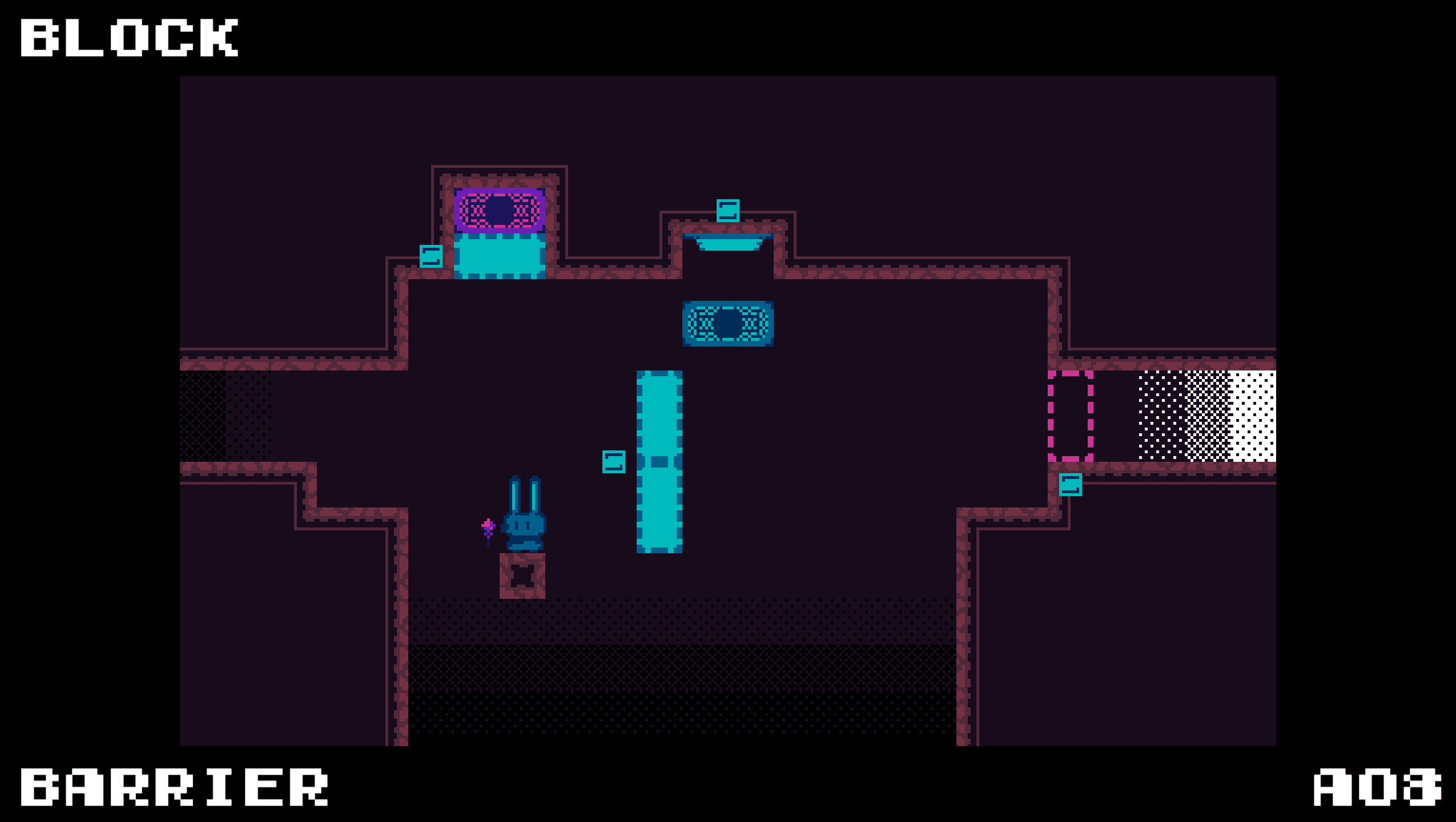
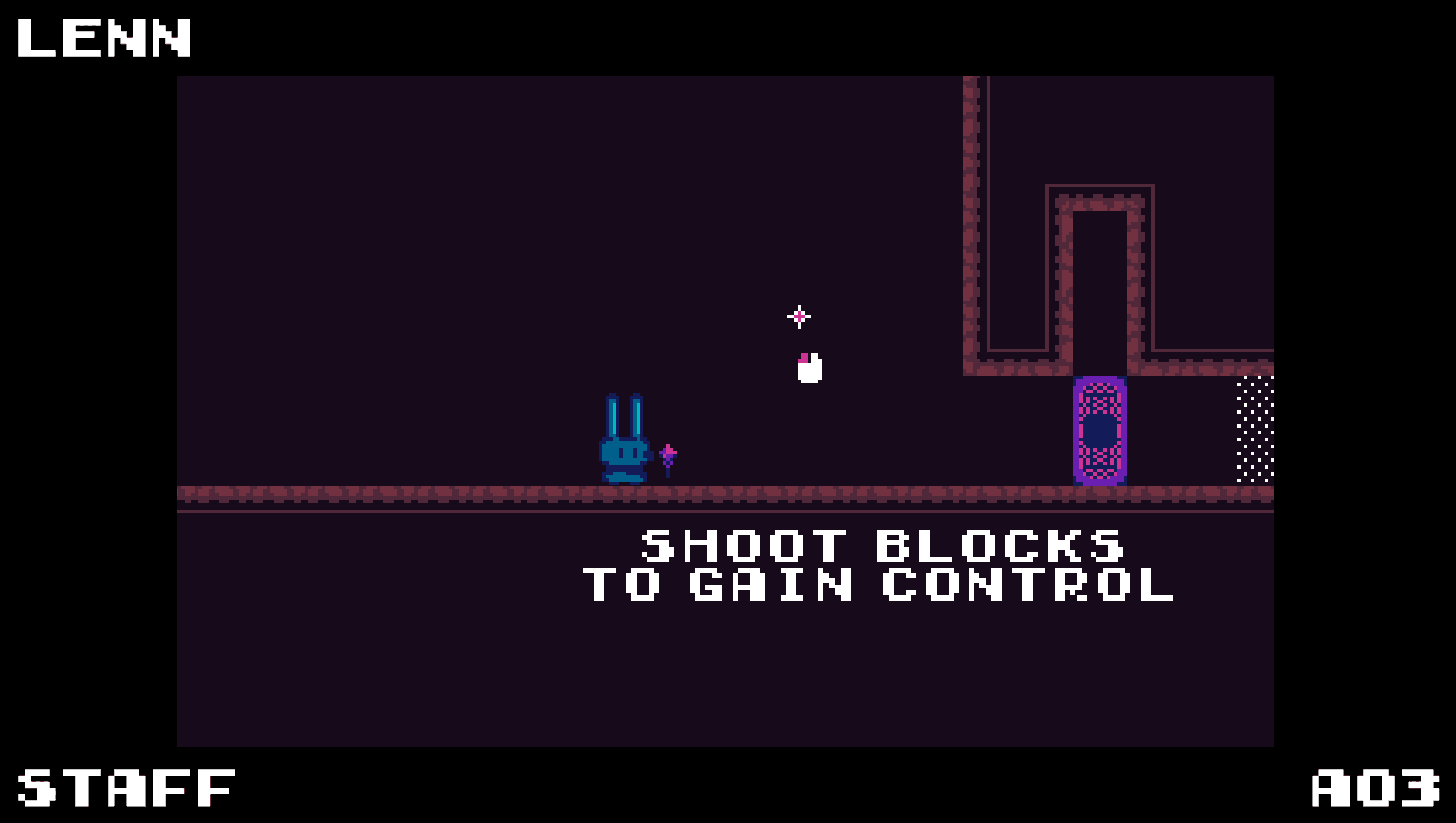
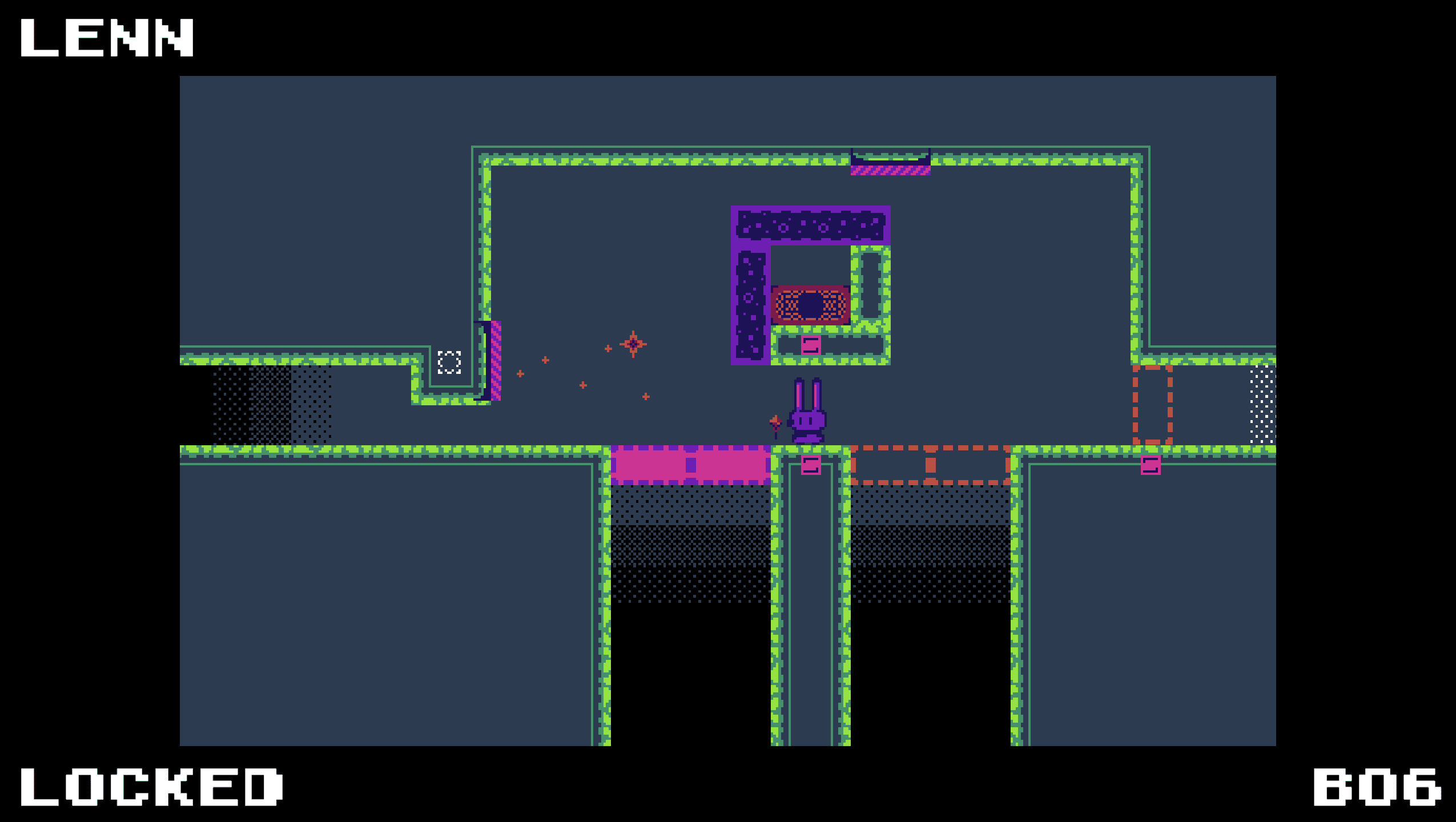
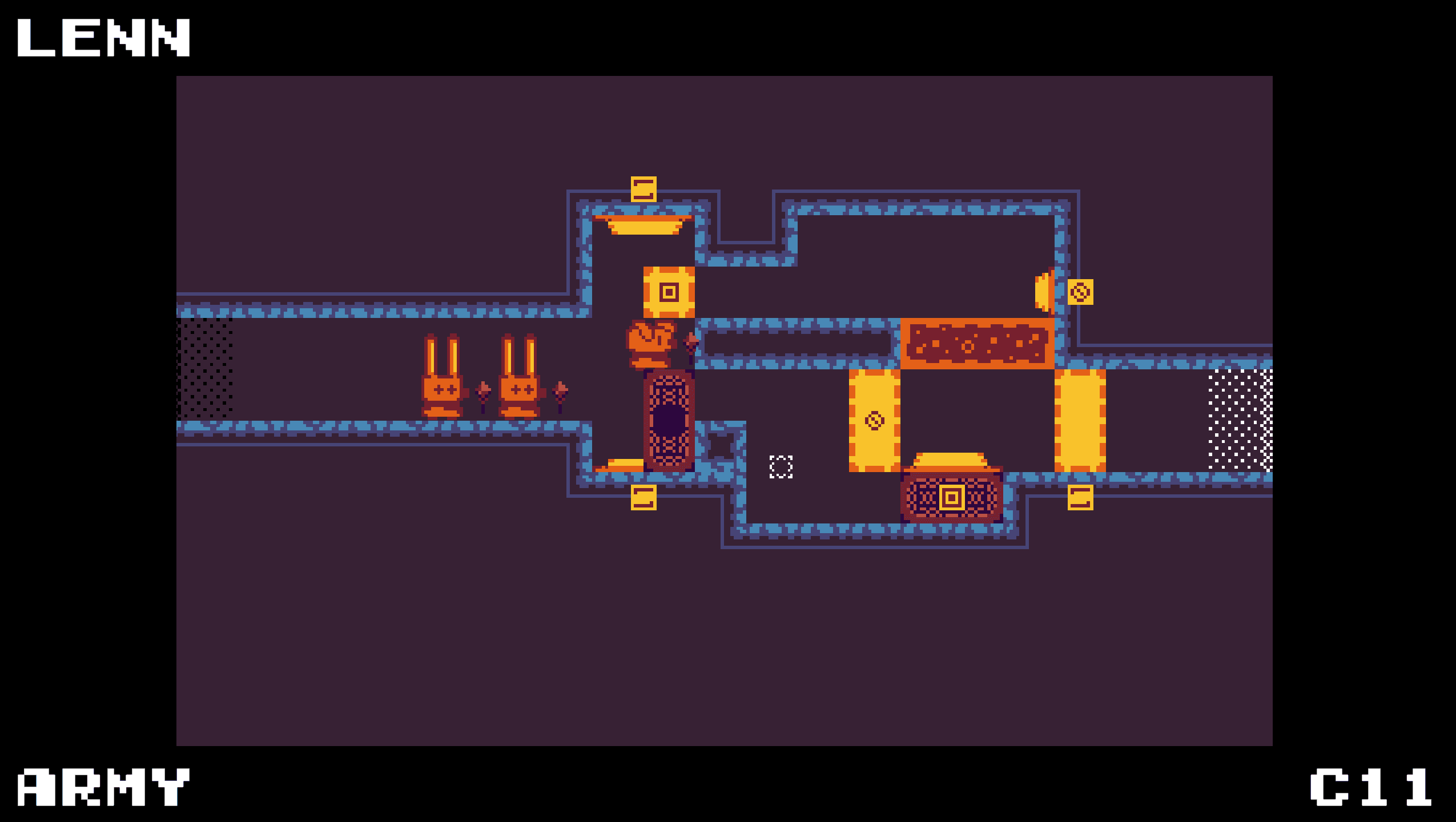
Line of Sight is a 2D puzzle game in which you use a mysterious wand to activate blocks and control them with your mind. Move them to push buttons and activate doors or stand on them and ride along.
Line of Sight is a 2D puzzle game in which you use a mysterious wand to activate blocks and control them with your mind. Move them to push buttons and activate doors or stand on them and ride along.
Line of Sight is a 2D puzzle game in which you use a mysterious wand to activate blocks and control them with your mind. Move them to push buttons and activate doors or stand on them and ride along.
Stick blocks together, activate clones, use mirrors and shatter ice to solve more than 40+ unique puzzles over 3 chapters with strange mechanics and interesting interactions.
Stick blocks together, activate clones, use mirrors and shatter ice to solve more than 40+ unique puzzles over 3 chapters with strange mechanics and interesting interactions.
Stick blocks together, activate clones, use mirrors and shatter ice to solve more than 40+ unique puzzles over 3 chapters with strange mechanics and interesting interactions.
Find the sleeping mystery inside the core of the ruin and banish it to secure your escape. But beware, one single move could be the difference between victory and being crushed.
Find the sleeping mystery inside the core of the ruin and banish it to secure your escape. But beware, one single move could be the difference between victory and being crushed.
Find the sleeping mystery inside the core of the ruin and banish it to secure your escape. But beware, one single move could be the difference between victory and being crushed.

Gallery
Gallery
Highlights
Highlights
Deep spacial-focused puzzle mechanics with controllable blocks.
Deep spacial-focused puzzle mechanics
with controllable blocks.
Bite-sized puzzles.
Bite-sized puzzles.
Thrilling bossfight under time pressure.
Three chapters with unique systems
that build upon previous ones
Three chapters with unique systems that build upon previous ones.
Thrilling bossfight under time pressure.
Players learn mechanics through experimentation, not through tutorials.
Players learn mechanics through experimentation,
not through tutorials.
Development Journey
Development Journey
My roles throughout developement: Gameplay Developer, Level Designer, Artist
The Idea
The Idea
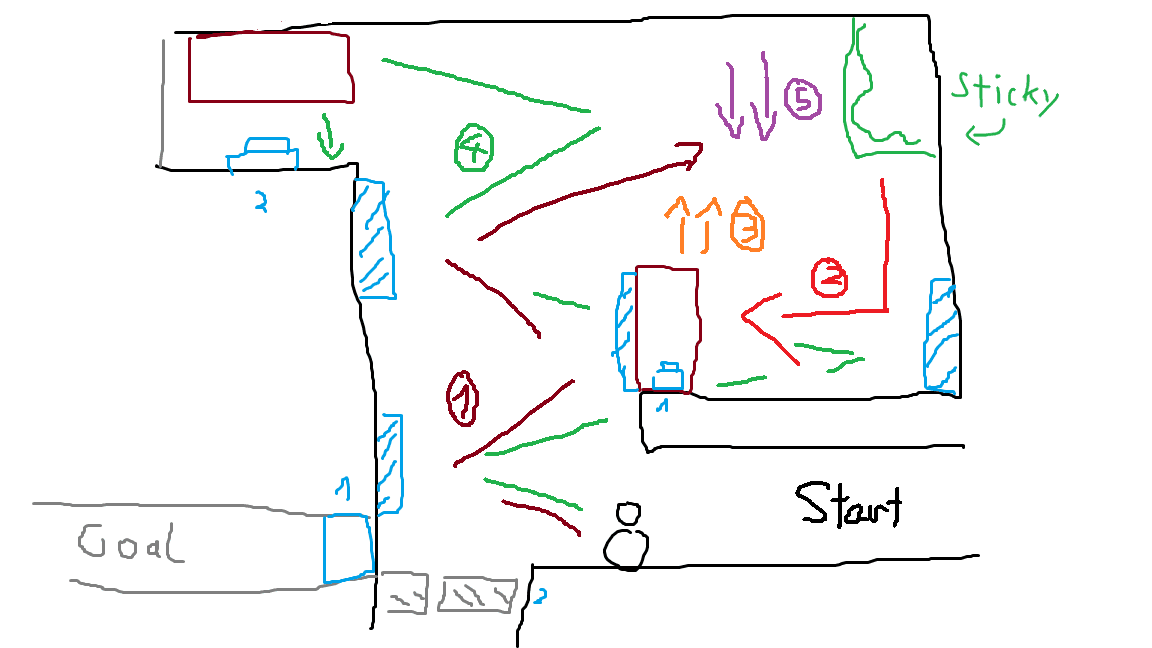
The idea for Line of Sight came while brainstorming for an assignment. The task was to build a small-scale gameplay loop that players could instantly get. I came up with the idea of a puzzle game where the player can shoot projectiles to activate blocks. These blocks can be moved in one of the four main directions until it hit a wall. The player needs a line of sight to hit the blocks with the projectile and activate them. This mechanic is the origin of the name Line of Sight. This simple idea was later expanded with mirrors that could reflect the projectile, blocks that stick to other ones, ice that could be shattered on impact and clones that could be used to extend your reach. These mechanics were spread out over three zones with a boss fight as a climax. The GLaDOS fight from Portal 1 heavily inspired the fight in which the player needed to reach cores with their portal gun and destroy them. In Line of Sight the player needed to press buttons in a specified order while navigating a constantly shifting room under time pressure.
Down below is the sketch that brought the idea to life:
The idea for Line of Sight came while brainstorming for an assignment. The task was to build a small-scale gameplay loop that players could instantly get. I came up with the idea of a puzzle game where the player can shoot projectiles to activate blocks. These blocks can be moved in one of the four main directions until it hit a wall. The player needs a line of sight to hit the blocks with the projectile and activate them. This mechanic is the origin of the name Line of Sight. This simple idea was later expanded with mirrors that could reflect the projectile, blocks that stick to other ones, ice that could be shattered on impact and clones that could be used to extend your reach. These mechanics were spread out over three zones with a boss fight as a climax. The GLaDOS fight from Portal 1 heavily inspired the fight in which the player needed to reach cores with their portal gun and destroy them. In Line of Sight the player needed to press buttons in a specified order while navigating a constantly shifting room under time pressure.
Down below is the sketch that brought the idea to life:
The idea for Line of Sight came while brainstorming for an assignment. The task was to build a small-scale gameplay loop that players could instantly get. I came up with the idea of a puzzle game where the player can shoot projectiles to activate blocks. These blocks can be moved in one of the four main directions until it hit a wall. The player needs a line of sight to hit the blocks with the projectile and activate them. This mechanic is the origin of the name Line of Sight. This simple idea was later expanded with mirrors that could reflect the projectile, blocks that stick to other ones, ice that could be shattered on impact and clones that could be used to extend your reach. These mechanics were spread out over three zones with a boss fight as a climax. The GLaDOS fight from Portal 1 heavily inspired the fight in which the player needed to reach cores with their portal gun and destroy them. In Line of Sight the player needed to press buttons in a specified order while navigating a constantly shifting room under time pressure.
Down below is the sketch that brought the idea to life:
Key Moments
Key Moments
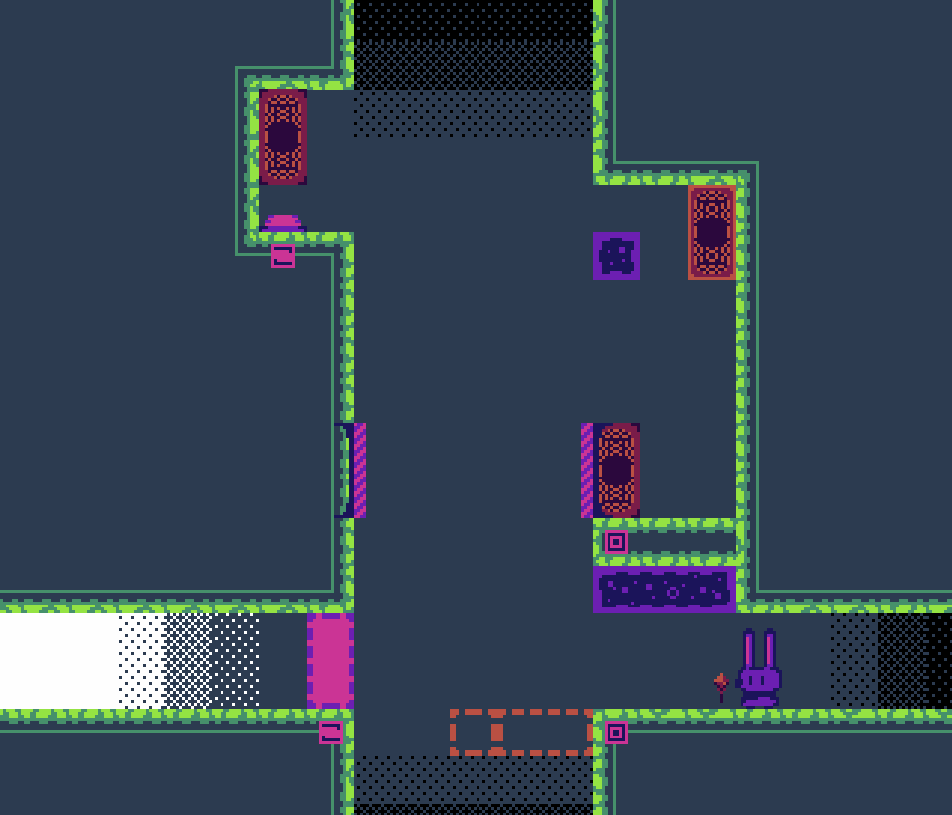
While developing I learned that the most important aspect of a puzzle game is not the mechanics but the puzzle design itself. Even the best-designed mechanics will fall flat if you don’t design levels that support them. The best levels trick the player into thinking they have found the solution on the first try, while luring them into a trap that teaches them an important mechanic. These bait and hook levels are an important piece in game design because they act as tutorials without the player realizing it. Puzzles like these are the quintessence of great puzzle game design, teaching players while making them feel smart for solving a puzzle.
While developing I learned that the most important aspect of a puzzle game is not the mechanics but the puzzle design itself. Even the best-designed mechanics will fall flat if you don’t design levels that support them. The best levels trick the player into thinking they have found the solution on the first try, while luring them into a trap that teaches them an important mechanic. These bait and hook levels are an important piece in game design because they act as tutorials without the player realizing it. Puzzles like these are the quintessence of great puzzle game design, teaching players while making them feel smart for solving a puzzle.
While developing I learned that the most important aspect of a puzzle game is not the mechanics but the puzzle design itself. Even the best-designed mechanics will fall flat if you don’t design levels that support them. The best levels trick the player into thinking they have found the solution on the first try, while luring them into a trap that teaches them an important mechanic. These bait and hook levels are an important piece in game design because they act as tutorials without the player realizing it. Puzzles like these are the quintessence of great puzzle game design, teaching players while making them feel smart for solving a puzzle.
Challenges & Solutions
Challenges & Solutions
One of the biggest challenges during the development was managing the scope of the project. During the planning phase, I came up with many mechanics, such as buttons with timing or special traps. Including these mechanics meant risking overcomplicating the desired simple gameplay loop and potentially missing the given deadline. To avoid this, I focused on the mechanics that would lead to the most interesting and complex puzzle interactions. Even if removing mechanics was difficult, prioritizing quality over quantity was necessary to keep the game manageable and gave me the opportunity to refine the main gameplay loop as much as possible.
One of the biggest challenges during the development was managing the scope of the project. During the planning phase, I came up with many mechanics, such as buttons with timing or special traps. Including these mechanics meant risking overcomplicating the desired simple gameplay loop and potentially missing the given deadline. To avoid this, I focused on the mechanics that would lead to the most interesting and complex puzzle interactions. Even if removing mechanics was difficult, prioritizing quality over quantity was necessary to keep the game manageable and gave me the opportunity to refine the main gameplay loop as much as possible.
One of the biggest challenges during the development was managing the scope of the project. During the planning phase, I came up with many mechanics, such as buttons with timing or special traps. Including these mechanics meant risking overcomplicating the desired simple gameplay loop and potentially missing the given deadline. To avoid this, I focused on the mechanics that would lead to the most interesting and complex puzzle interactions. Even if removing mechanics was difficult, prioritizing quality over quantity was necessary to keep the game manageable and gave me the opportunity to refine the main gameplay loop as much as possible.